Checking & Correcting Credit Report Errors: Protecting Your Real Estate Interests

Credit report errors, such as misidentifications or inaccuracies, can significantly impact an indivi…….
In today’s data-driven world, credit scores have emerged as a powerful metric, shaping individuals’ financial journeys and access to opportunities. This article delves into the intricate world of credit scores, exploring their definition, global impact, economic implications, technological advancements, regulatory landscape, challenges, and future potential. By understanding the nuances of credit scoring, we can appreciate its role in fostering financial inclusion while also highlighting areas that require improvement.
A credit score is a numerical representation of an individual’s or entity’s creditworthiness, based on their borrowing and repayment history. It serves as a snapshot of one’s financial reliability and is calculated using sophisticated algorithms analyzing various data points. Key components include:
The concept of credit scoring has evolved over time, with early forms dating back to the 19th century. However, it gained prominence in the late 20th century due to the rise of consumer credit and the need for standardized evaluation methods. The FICO score, developed by Fair Isaac Corporation, became a widely adopted model, influencing lending decisions globally. Today, advanced scoring models consider numerous factors, offering a more nuanced understanding of borrowers.
Credit scores have transcended national borders, becoming a universal language in the global financial market. Their impact varies across regions:
Credit scores influence market behavior:
AI and machine learning algorithms are revolutionizing credit scoring:
Blockchain promises secure and transparent credit scoring:
Credit scoring is regulated to protect consumers:
Credit scoring is a powerful tool shaping global financial landscapes. As technology advances, so do the expectations placed on credit scoring systems. Balancing innovation with robust regulation, data privacy, and fairness will be key to unlocking the full potential of credit scores in driving economic growth while ensuring consumer protection. By addressing challenges and embracing emerging trends, we can create a more inclusive and sustainable financial future.
Credit report errors, such as misidentifications or inaccuracies, can significantly impact an indivi…….
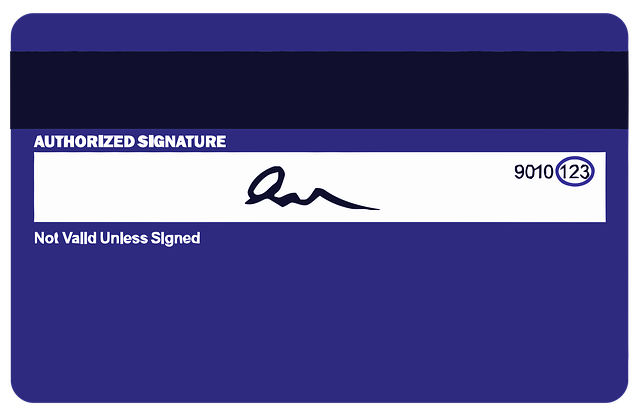
In real estate, the debt utilization ratio measures how much borrowed money is used compared to tota…….

In real estate, timely rental payments build positive relationships between landlords and tenants, i…….
The debt utilization ratio (DUR) is a critical metric gauging an individual's or entity's…….

In real estate, credit scores are vital indicators of financial health that impact loan terms and in…….

Timely bill payments in the dynamic real estate market are essential for building a robust credit sc…….

In a competitive real estate market, credit scores and financial documentation are key for securing…….

In real estate investing, a low debt utilization ratio (below 30%) signifies fiscal responsibility a…….

Applying for a real estate loan? Lenders assess location, property value, borrower financial health…….

Credit report errors, ranging from typos to identity theft, can hamper real estate transactions. Reg…….